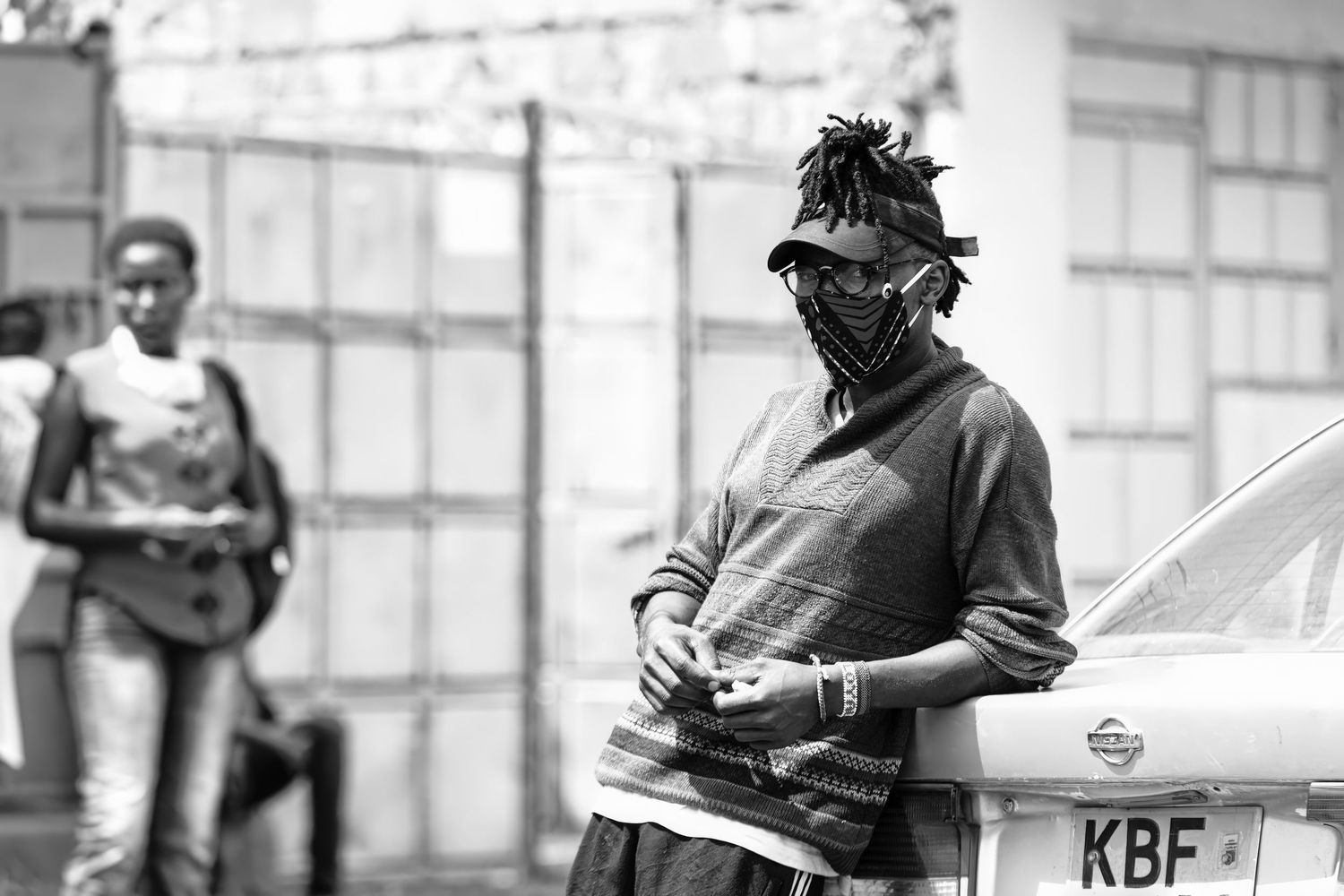
Documentary & Social Justice
This work begins with responsibility.
To the people being photographed.
To the context in which the work exists.
To how images are made, used, and understood once they leave the camera.
Documentary photography carries weight. I approach it with intention and care.
Working with context, not extraction
I do not arrive to collect stories.
This work is built through listening, time spent on the ground, and an understanding that images do not exist in isolation. Every photograph is shaped by power, access, and intent. Acknowledging that is part of the work.
Rather than imposing a narrative, I pay attention to what is already present and allow meaning to emerge from within the context itself.
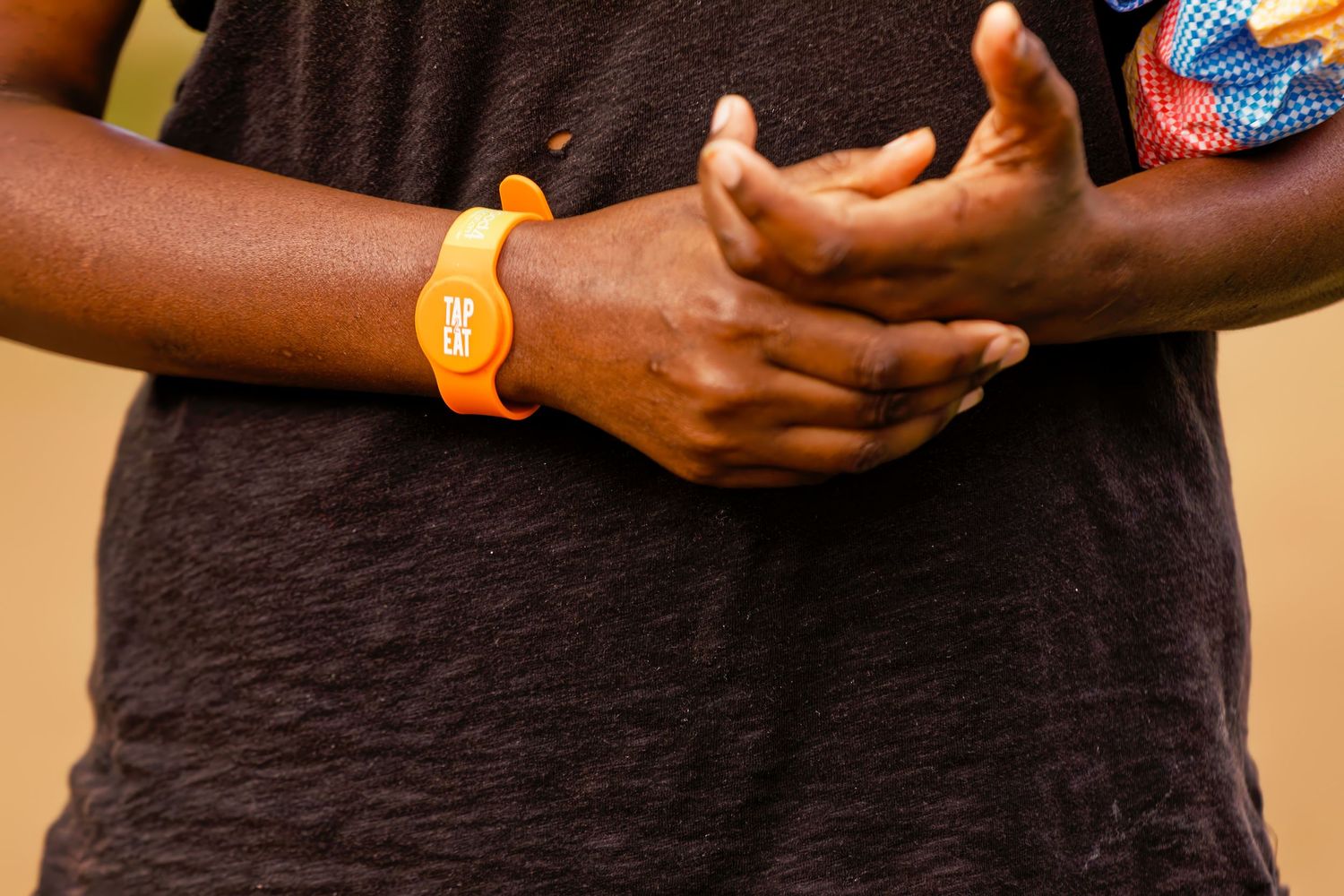
Ethics before aesthetics
Visual strength matters, but it is not the primary concern.
The first responsibility is accuracy. The second is dignity. I am careful about how people are represented, how moments are framed, and how images may be read beyond their original setting.
This includes conversations around consent, use, and authorship, especially in environments where the consequences of representation are unevenly distributed.
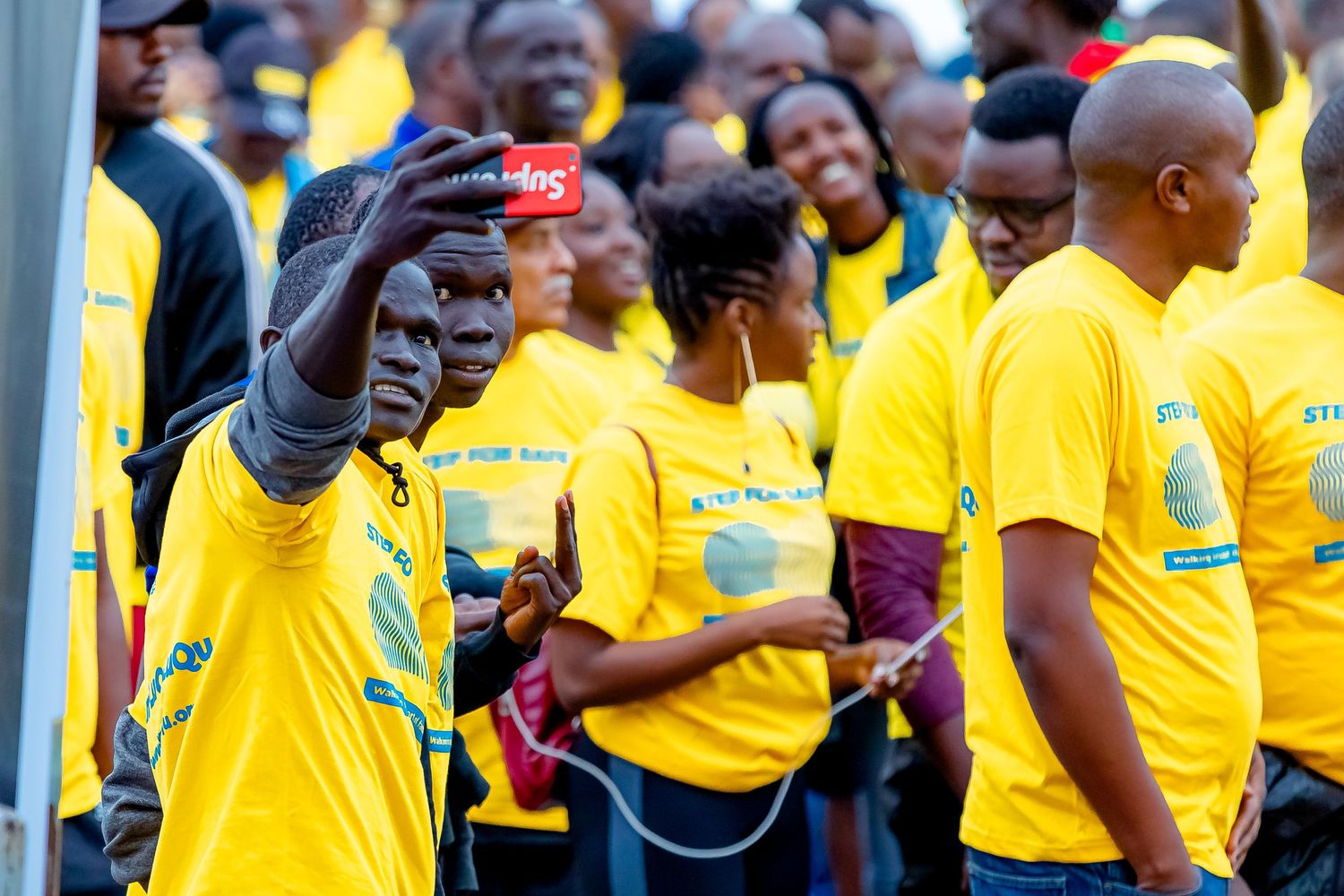
Collaboration over control
This work is rarely solitary.
I often work alongside organisations, community members, researchers, or storytellers who hold deeper knowledge of the context than I ever could. My role is to contribute attentively, not to lead from above.
When collaboration is present, the work is stronger and more accountable.
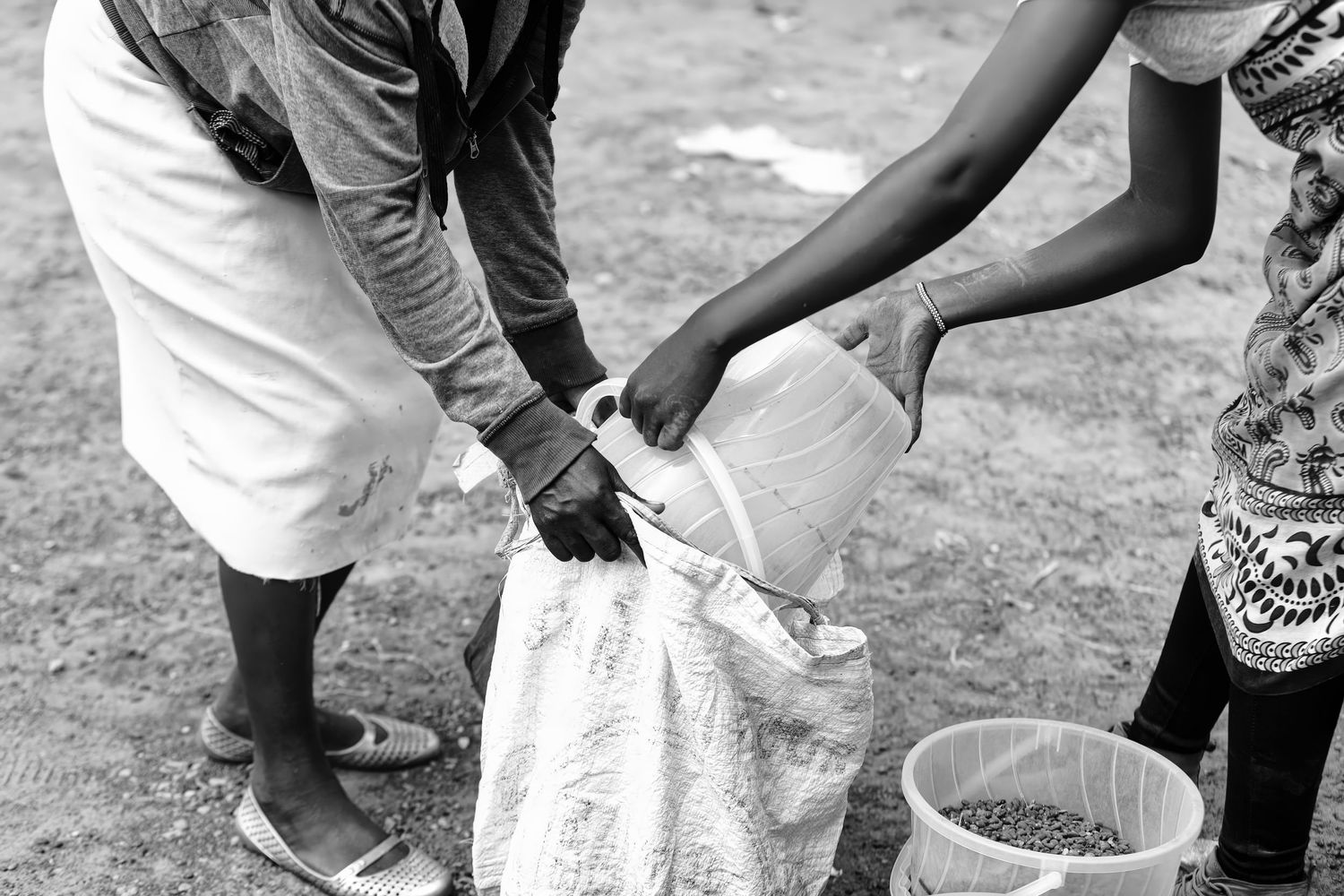
What this kind of photography represents
At its best, documentary work does not explain everything.
It invites attention. It resists simplification. It allows complexity to remain visible rather than smoothing it away for comfort or clarity.
The images that emerge tend to be quiet, grounded, and specific. They do not seek spectacle. They ask to be looked at carefully.
Who this work is
This approach suits organisations and individuals who:
- value long-term engagement over quick visual impact,
- are attentive to ethics, consent, and representation,
- understand photography as part of a wider storytelling or research process.
If you are looking for imagery that supports considered, responsible work rather than promotional narratives, this approach may be appropriate.
Scope and Expectations
Documentary and social justice projects vary widely in form and scale.
Before any work begins, it is important to discuss intent, audience, use, and limitations openly. This includes where the images will live, how they will be contextualised, and what responsibilities come with their circulation.
Clarity here protects everyone involved.